
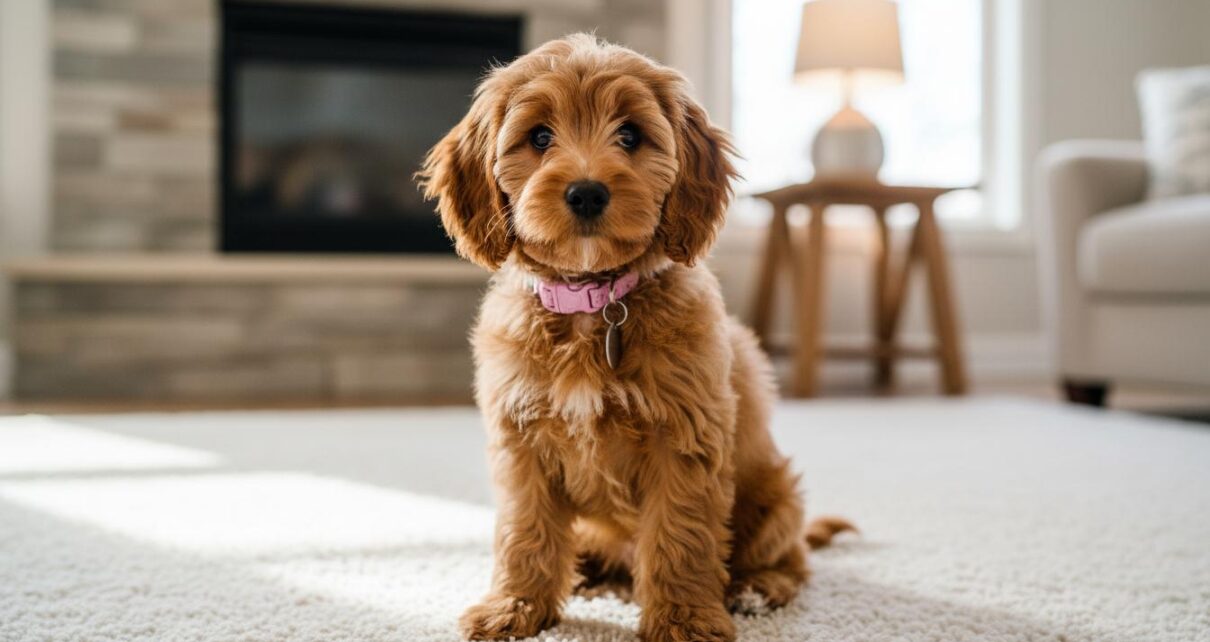
The cavoodle (also called cavapoo) has become one of New Zealand’s favourite small dogs for a reason: loving nature, low‑shedding coat, and a size that fits apartments as well as family homes. If you’re considering a cavoodle in NZ—whether a toy cavoodle or a mini cavoodle—this guide explains what they are, how the cross works, types to expect, the real pros and cons, how to choose one wisely, and answers to common questions.
What is
A cavoodle is a cross between a Cavalier King Charles Spaniel and a Poodle (usually Toy or Miniature). The goal is a sweet, people‑focused companion with the Cavalier’s gentle temperament and the Poodle’s intelligence and low‑shedding coat.
- Size: Typically small; most adults fall between 5–12 kg depending on parent size.
- Coat: Can be wavy or curly; often low‑shedding and considered allergy‑friendly (not hypoallergenic).
- Temperament: Affectionate, social, eager to please, and good with kids when properly socialised.
- Activity: Moderate. Daily walks and play suit them well.
- Names in NZ: cavoodle and cavapoo are used interchangeably.
In New Zealand, cavoodle puppies are popular with first‑time owners, retirees, and families alike. They adapt well to city life in Auckland or Wellington and to quieter suburbs across the country, provided they get company and stimulation.
How it works
Crossbreeding and generations
Because the cavoodle is a crossbreed, traits vary by litter. Understanding the basic genetics helps you set expectations.
- F1 cavoodle: Cavalier x Poodle. Often the most variable in coat and size.
- F1b cavoodle: F1 cavoodle backcrossed to a Poodle (or less commonly a Cavalier). Tends to have curlier, lower‑shedding coats.
- Multigenerational cavoodle: Cavoodle bred to cavoodle over several generations to stabilise traits.
Health screening matters. Responsible breeders in NZ test parent dogs for issues seen in Cavaliers (notably heart disease such as mitral valve disease, and DNA tests for episodic falling and curly coat/dry eye) and in Poodles (PRA-prcd and patella/hip checks). Ask to see results.
How a cavoodle fits into daily life
- Exercise: 30–60 minutes daily split across walks and play. Puppies need shorter, gentle sessions to protect joints.
- Grooming: Brush 3–4 times a week to prevent matting. Plan professional grooming every 6–8 weeks for fleece/wool coats.
- Training: They learn fast with positive reinforcement. Early socialisation curbs clinginess and barking.
- Health care in NZ: Routine vaccinations and parasite control are essential. Heartworm is not present in New Zealand, but deworming for intestinal worms and year‑round flea prevention are still recommended—ask your vet for a local schedule.
- Lifestyle: Cavoodles thrive on company. Long hours alone can lead to anxiety or nuisance barking; consider doggy day care, a dog walker, or a second pet if you’re away a lot.
Types / examples
Sizes commonly seen in New Zealand
| Type | Typical Adult Weight | Height at Shoulder | Energy Level | Best For |
|---|---|---|---|---|
| Toy cavoodle (Toy Poodle parent) | 5–8 kg | 25–33 cm | Moderate | Apartments, singles, couples |
| Mini cavoodle (Mini Poodle parent) | 7–12 kg | 30–38 cm | Moderate to high | Families, active owners |
Coat types and colours
- Coat textures:
- Wool (tight curls): Lowest shedding, needs regular trims.
- Fleece (soft waves/loose curls): Popular balance of low shedding and easy care.
- Hair (straighter): May shed a bit more, often simpler to brush.
- Colours: Apricot, red, ruby, cream, black, chocolate, parti, blenheim‑style, and tricolour. Colour does not predict temperament.
How the cavoodle compares with similar small dogs
| Breed | Coat & Shedding | Temperament | Exercise Needs | Grooming Effort |
|---|---|---|---|---|
| Cavoodle (Cavalier x Poodle) | Low‑shedding, wavy/curly | Affectionate, social, gentle | Moderate (30–60 min/day) | High (brushing + 6–8 week trims) |
| Spoodle (Cocker Spaniel x Poodle) | Low‑to‑moderate shedding | Outgoing, energetic | Moderate to high | High |
| Maltipoo (Maltese x Poodle) | Low‑shedding, fine coat | Affectionate, can be vocal | Low to moderate | High (fine coat mats easily) |
Pros and cons
Pros
- Friendly and people‑oriented; good for families and first‑time owners.
- Compact size suits NZ urban living.
- Often low‑shedding, which helps with cleaning and mild allergies.
- Intelligent and trainable; enjoys games and enrichment.
- Generally adaptable to travel, cafés, and dog‑friendly beaches when well socialised.
Cons
- Grooming is ongoing and can be costly over a year.
- Separation anxiety risk if left alone for long hours.
- Health screening is vital; poor breeding can pass on heart and eye issues.
- Popularity can drive high prices; beware of unethical sellers.
- Low‑shedding does not mean no allergies; some people still react.
How to use or choose
Step‑by‑step: choosing and bringing home a cavoodle in NZ
- Set your budget. Factor in purchase or adoption, vet care, insurance, and grooming.
- Decide on size and coat. Toy or mini cavoodle? Curlier coats mean less shedding but more grooming.
- Choose adoption or breeder. Check the SPCA and rescue groups, or research reputable NZ breeders.
- Verify health testing. Ask for DNA results (e.g., PRA-prcd, Cavalier‑specific tests), patella/hip scores, and a recent vet check.
- Meet the puppy and parents. Assess temperament, living conditions, and socialisation.
- Review the contract. Look for a health guarantee, desexing policy, and return‑to‑breeder clause.
- Prepare your home. Create a safe space, crate or pen, puppy‑proof cords and plants, and set up a toileting area.
- Plan early training. Book puppy school, set routines, and organise enrichment toys.
- Register and microchip. In NZ, dogs must be registered with your local council each year and microchipped (with details kept up to date in the National Dog Database).
- Schedule vet care. Vaccinations, deworming, flea control, and a desexing discussion at the right age.
Care essentials for cavoodles
- Grooming routine: Brush several times weekly; tidy eyes/feet; professional grooming every 6–8 weeks for fleece/wool coats.
- Dental care: Daily or frequent tooth brushing; veterinary dental checks to prevent tartar and gum disease.
- Nutrition: Feed a complete and balanced diet for small dogs; measure portions to prevent weight gain.
- Exercise and brain work: Daily walk plus short training games, snuffle mats, or puzzle feeders.
- Training focus: Calm greetings, loose‑lead walking, recall, crate training, and alone‑time practice to reduce anxiety.
Typical costs in New Zealand
| Expense | Indicative Cost (NZD) | Notes |
|---|---|---|
| Purchase price (breeder) | $3,000–$6,000+ | Varies by breeder, size, colour, and health testing |
| Adoption fee (rescue) | $300–$600+ | Often includes desexing, microchip, vaccinations |
| Annual council registration | Local rates | Set by your council; discounts may apply for responsible owners |
| Insurance | $30–$100+ per month | Depends on cover level and excess |
| Professional grooming | $70–$120+ per session | Every 6–8 weeks for many cavoodles |
| Food and routine care | $60–$150 per month | Quality diet, flea/worm products, basics |
| Veterinary care | Varies | Annual check‑ups, vaccinations; extra for dental or unexpected issues |
FAQ
How big does a cavoodle get?
Most cavoodles reach 5–12 kg. Toy cavoodles sit at the lower end; mini cavoodles trend heavier and a little taller.
Do cavoodles shed?
Usually very little. Shedding varies by coat type and genetics. Curlier fleece or wool coats tend to trap hair and dander, but regular grooming is essential.
Are cavoodles hypoallergenic?
No dog is truly hypoallergenic. Many allergy sufferers do better with a cavoodle due to reduced shedding, but individual reactions differ.
What is the cavoodle temperament like?
Affectionate, people‑focused, and gentle. They enjoy kids and other pets when socialised early, and they love being part of daily life.
How much exercise does a cavoodle need?
Plan 30–60 minutes each day plus mental enrichment. Puppies need short, frequent play sessions rather than long runs.
How often should a cavoodle be groomed?
Brush several times weekly and book a professional groom every 6–8 weeks for longer or curlier coats. Keep nails trimmed and ears clean.
What health issues should I ask a breeder about?
Request evidence of DNA tests (e.g., PRA-prcd, Cavalier‑related conditions), patella checks, hip scores, eye exams, and a recent vet clearance. Ask about family history of heart disease.
Is a cavoodle good for apartments in NZ?
Yes, if you meet exercise, training, and social needs. They adapt well to city living in New Zealand when walked daily and not left alone for long periods.
What are the legal requirements for owning a dog in New Zealand?
You must register your dog with your local council annually and ensure it is microchipped (with details kept current). Follow local bylaws on leashes, dog‑prohibited areas, and beach hours.
What’s the difference between cavoodle and cavapoo?
They’re different names for the same cross: Cavalier King Charles Spaniel x Poodle.
Can a cavoodle be left alone during the workday?
Some can cope with a few hours if trained gradually. Provide enrichment, a safe space, and breaks. Many cavoodles need human company and may struggle with long days alone.
How long do cavoodles live?
Often 10–15 years with good care, sensible exercise, a healthy weight, and regular vet check‑ups.
What should I feed my cavoodle?
A complete, balanced diet suitable for small dogs and your dog’s life stage. Measure portions, monitor body condition, and ask your vet for brand and feeding advice.
Are cavoodles good with children?
Generally yes. Supervise interactions, teach gentle handling, and give the dog a quiet space to retreat when tired.
Final thought
A cavoodle is a warm, clever companion that fits perfectly into many New Zealand lifestyles. Choose carefully, commit to grooming and training, and you’ll have a loyal friend who’s ready for beach walks, café catch‑ups, and quiet evenings on the couch.