
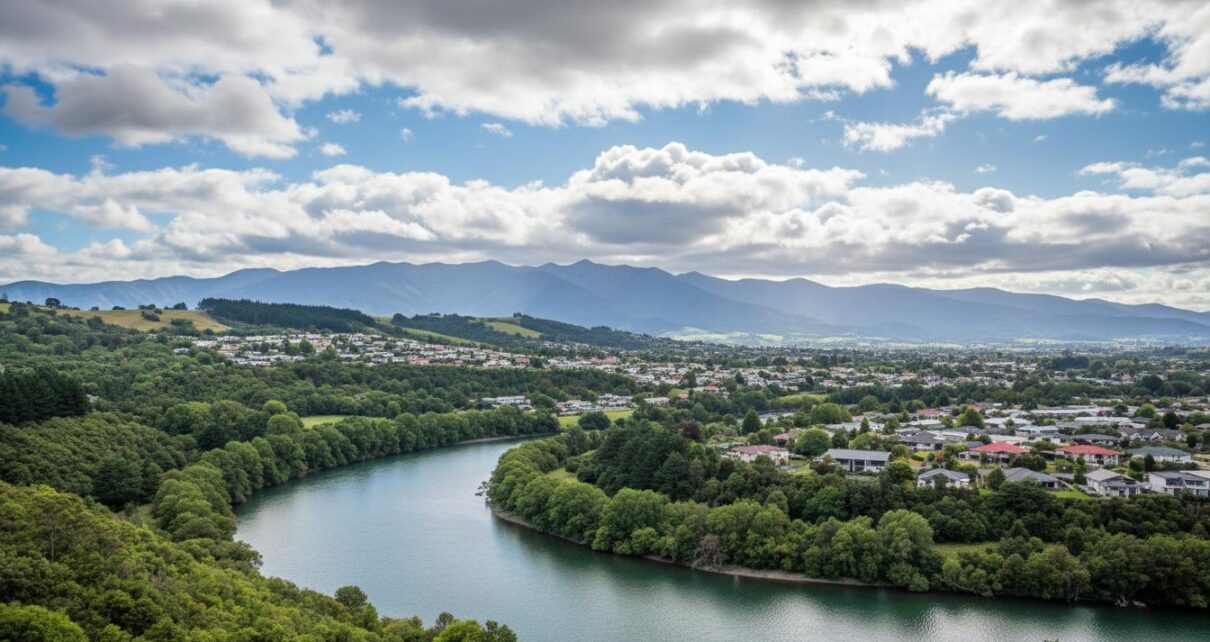
Upper Hutt lives in a valley of surprises. One morning you’ll scrape frost off the windscreen; by afternoon you’re in a T-shirt under a dry nor’wester. If you search for “weather Upper Hutt” and still feel unsure what to expect, this guide breaks down how the valley’s shape, nearby ranges, and winds create the city’s distinctive conditions—so you can plan commutes, hikes, gardening, and weekends with confidence.
What is
Weather Upper Hutt is a temperate, inland-valley climate within the Wellington Region, known for bigger temperature swings, frequent winter frosts, lighter average winds than the coast, and bursts of heavy rain near the ranges.
Because Upper Hutt sits north of Lower Hutt and inland from Wellington Harbour, it’s more sheltered from persistent coastal winds. That shelter lets nights cool more and days heat up, especially under a northwesterly. Winter brings crisp mornings and fog in calm conditions. When a strong southerly sweeps the region, Upper Hutt often feels the chill but can be partly buffered by the valley and the Remutaka (Rimutaka) and Tararua Ranges. Rain is variable: suburbs near the hills and places like Kaitoke trend wetter than central suburbs.
| Feature | Upper Hutt | Lower Hutt | Wellington City |
|---|---|---|---|
| Temperature swings (day–night) | Greater | Moderate | Smaller |
| Wind exposure | Lower overall | Moderate | Higher |
| Frost frequency (winter) | Frequent | Occasional | Rare |
| Fog/inversion risk | Higher (calm, clear nights) | Moderate | Low |
| Rainfall tendency | Varies by suburb; higher near hills | Moderate | Moderate |
| Thunder/hail chances | Occasional with unstable SW or summer heat | Occasional | Occasional |
| Best months for settled weather | Late summer–early autumn | Late summer–autumn | Summer–early autumn |
How it works
Upper Hutt’s weather engine is geography. The city sits along Te Awa Kairangi / Hutt River in a north–south valley, ringed by the Tararua and Remutaka Ranges. That layout shapes wind, clouds, and temperature in distinct ways.
- Valley shelter: The hills shield the city from persistent coastal gales, so average wind is lower than Wellington’s exposed suburbs.
- Funnelling winds: When northerlies or southerlies crank up, the valley channels them. Gusts can be strong, but they’re often more directional and intermittent than on the coast.
- Foehn-like warming: A northwesterly flowing off the ranges can dry and warm as it descends, spiking afternoon temperatures.
- Inversions and fog: Clear nights + calm air = cold air pooling. Expect frosts and morning fog, especially in winter and early spring.
- Orographic rain: Moist air lifted over the Tararua or Remutaka Ranges wrings out rain. Places near the foothills (e.g., Kaitoke, Akatarawa) often get more rain than central Upper Hutt.
- Fronts and southerly changes: Classic New Zealand cold fronts sweep up from the south. A southerly change can drop temperatures quickly, bring showers, and clear the air after.
- Climate drivers: El Niño tends to favour stronger westerlies and changeable spells; La Niña often brings more humid northerlies and rain events to the region. Local impacts vary with the track of each system.
Types / examples
Hot nor’wester day
Morning starts mild. By early afternoon, a dry northwesterly whips through the valley. Upper Hutt heats faster than the coast, trails feel dusty, and relative humidity is low. Hydration matters if you’re walking the Remutaka Rail Trail or Pipe Drive Track.
Frost and fog morning
After a clear, still night, you’ll see frost on lawns from Totara Park to Silverstream. Shallow fog may linger in low spots. Once the sun breaks through, mid-morning warms quickly and the day can be beautifully calm.
Southerly change
A front arrives from Cook Strait. There’s a quick temperature drop, showers sweep through, and wind shifts south. Upper Hutt may get a burst of wind and cold rain, then calm as the change passes and skies brighten.
Hill-country soak
Moist northerlies push into the Remutaka and Tararua Ranges. Kaitoke Regional Park and Akatarawa Valley turn wet first. The Hutt River can rise; keep an eye on river level updates before camping or biking near the water.
Convective pop-ups
On a spring afternoon with cold air aloft and sunny breaks, small thunderstorms or hail showers can bubble up. They’re brief but punchy—check the rain radar if you’re timing a school pickup or a jog around Trentham Memorial Park.
Pros and cons
- Pros:
- Less wind on average than Wellington’s coast—more pleasant for daily life.
- Warmer summer afternoons under a nor’wester, great for riverside plans.
- Clear, crisp winter days after frosty starts can be stunning for outdoor time.
- Microclimates to suit gardeners: sheltered, sunny pockets and cooler spots for chill-loving plants.
- Cons:
- Frequent winter frosts and occasional fog can delay morning travel.
- Heavy rain near the ranges can lift river levels and trigger slips on hill roads.
- Hot, dry nor’westers increase fire danger on trails and hillsides.
- Forecasts can vary suburb-to-suburb; you need localised info to plan well.
How to use or choose
How to check “weather Upper Hutt” like a local
- Start with MetService: Open the Upper Hutt forecast (hourly and 10-day) for temperature, rain, and wind gusts.
- Scan the rain radar: See what’s actually moving in from Cook Strait or over the Remutaka Range.
- Check wind maps: Northerly vs southerly makes a big difference in the valley; review gusts as well as average wind.
- Look at live stations: Nearby personal weather stations and official sites help confirm current conditions in your suburb.
- If rain is forecast, check river levels: Use Greater Wellington’s river monitoring for Te Awa Kairangi / Hutt River and tributaries.
- Driving over Remutaka Hill Road (SH2)? Check Waka Kotahi road updates for wind, closures, or slips.
- Plan gear and timing: Layer up for cool starts, carry sun protection year-round, and schedule hikes outside peak wind hours.
Choosing a reliable forecast for Upper Hutt
- Use an NZ-focused source: MetService is the official forecaster for New Zealand and provides warnings and watches tailored to local terrain.
- Compare models on a map: Tools like Windy help visualise wind, rain bands, and fronts through the valley and over the ranges.
- Prioritise radar and nowcasting: Short-range updates beat distant model runs on showery days.
- Watch the wind direction: Northerly often means warmer and drier inland; southerly brings cooler air and showers.
- Zoom to suburb scale: Birchville, Trentham, Silverstream, Pinehaven, and Riverstone Terraces can differ—local stations help.
Seasonal planning tips
- Summer: Expect hot nor’wester spells; carry water and sun protection. Afternoon sea breezes are weaker inland, so shade matters.
- Autumn: Often settled and sunny. Great for biking the Hutt River Trail before winter fronts return.
- Winter: Plan for frosty mornings and possible fog. Afternoon sun usually brings relief; black ice can form in shaded spots.
- Spring: Changeable. Cold southwest flows can fire up showers and hail; keep an eye on the radar when outdoors.
FAQ
Is Upper Hutt warmer than Wellington City?
By day, often yes—especially under a northwesterly. Nights tend to be colder in Upper Hutt due to valley cooling. You get bigger highs and lower lows than the coast.
Does it snow in Upper Hutt?
Snow at residential elevations is rare. Light snow or sleet can fall on nearby hills during strong cold outbreaks, while the valley floor usually sees cold rain and hail instead.
When is it windiest?
Strong northerlies and southerly changes can roar through the valley any time of year, with spring often the most changeable. Even then, average wind is typically lower than on the Wellington coast.
What are the wettest spots?
Areas close to the ranges—Kaitoke, Akatarawa, and hill suburbs—tend to be wetter due to orographic lift. Central and southern suburbs are often drier by comparison.
How accurate are Upper Hutt forecasts?
They’re generally good on broad trends, but microclimates can shift outcomes by suburb. Combine MetService forecasts with radar and local stations for the best read.
Where can I check live conditions?
- MetService rain radar and observations
- Greater Wellington Regional Council river level monitors
- Trusted personal weather stations in Upper Hutt suburbs
- Waka Kotahi updates for Remutaka Hill Road wind and closures
What about UV and sun safety?
New Zealand UV levels are high in spring and summer, even on breezy days. In Upper Hutt, calmer weather can make the sun feel stronger—use sunscreen, a hat, and sunglasses.
What’s the best time to visit for outdoor activities?
Late summer to early autumn often brings settled, warm days with lighter winds—ideal for Kaitoke Regional Park, the Remutaka Rail Trail, and riverside walks.
Any tips for gardeners?
Plan for frost through winter and early spring. Choose frost-hardy varieties for low-lying spots, and try heat-loving plants in sunnier, sheltered corners that benefit from the city’s warmer afternoons.
Why does “weather Upper Hutt” differ from Lower Hutt on the same day?
The valley’s depth and shelter change how air moves and cools. Upper Hutt is more inland, so it warms faster in sun and cools more at night, while Lower Hutt feels the harbour’s influence more strongly.
Final pointers for everyday planning
If you only do three things before heading out: check the MetService Upper Hutt forecast, glance at the rain radar, and note the wind direction. That simple routine gives a sharp read on weather Upper Hutt—whether you’re lining up a backyard barbecue, a run at Trentham, or a loop through Kaitoke’s forest tracks.