
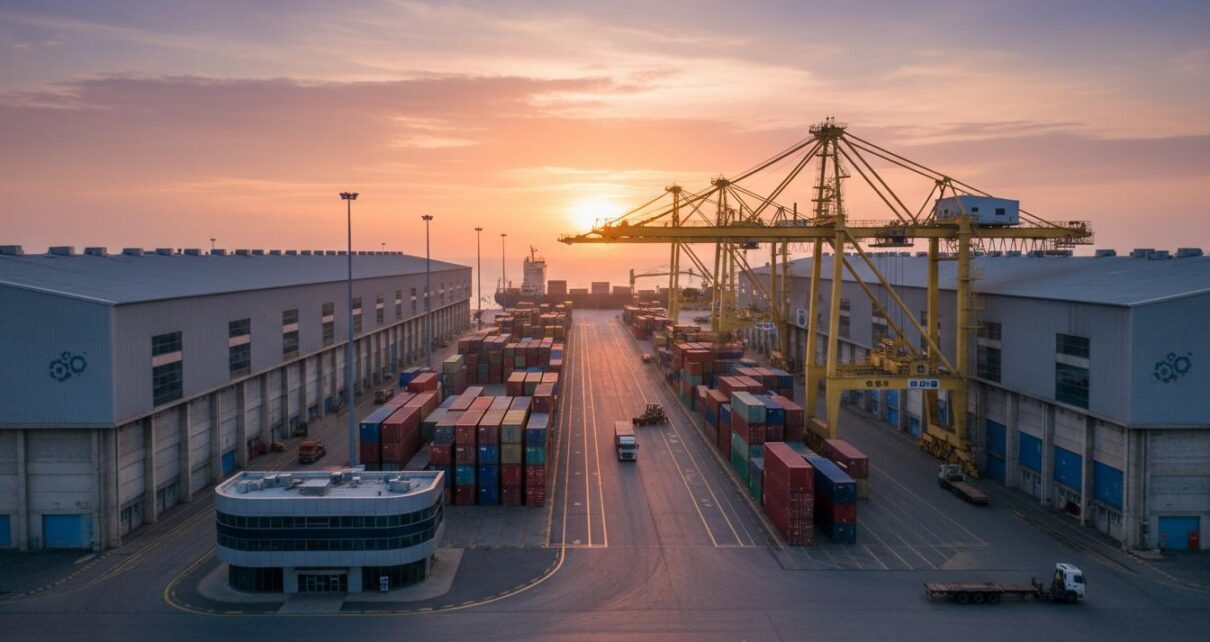
Renovating a bathroom, fitting out a rental, or kitting out a small workshop? A trade depot can cut days off your timeline and a chunk off your bill. Kiwis use these large warehouse-style outlets to buy building gear, appliances, plumbing fixtures, and hardware at sharp prices—with fast pickup or delivery across New Zealand. This guide explains what a trade depot is, how it works, the types you’ll find here, the pros and cons, and how to choose one with confidence.
What is
A trade depot is a warehouse-based store that sells construction, renovation, and home improvement products in bulk or near-bulk quantities, usually at lower-than-showroom prices. Stock is kept on pallets and racking, there’s minimal display, and the focus is on quick turnaround—order online, click and collect, or book delivery.
In New Zealand, the term “trade depot” can mean two things:
- A generic type of outlet: a large-format warehouse supplying tradies, property managers, and DIYers.
- A specific retailer brand named Trade Depot, which operates in the NZ market and sells to both trade and the public via online and physical depots.
Whichever meaning applies, the idea is the same: keep costs down by moving product efficiently, then pass savings on to customers who don’t need full showroom service.
How it works
Supply and pricing
Most trade depots import directly from manufacturers or buy in volume from local distributors. Pallet loads arrive at regional warehouses, cutting handling costs. Pricing is often tiered: public cash price, trade price for account holders, and sometimes project quotes for large orders.
Ordering
- Online catalogue with real-time or near real-time stock levels.
- Secure checkout with GST invoicing for NZ businesses.
- Click and collect from the nearest depot or satellite pickup point.
- Phone or counter service for complex orders and substitutions.
Fulfilment
- Small items ship by courier; large items move via freight carriers with tail-lift trucks.
- North Island deliveries are typically faster than South Island due to proximity to major hubs, but both islands are serviced.
- Rural Delivery (RD) addresses may include a surcharge or longer lead times.
Product compliance and documentation
- Electrical goods should meet applicable AS/NZS standards and be supplied with a Supplier Declaration of Conformity (SDoC).
- Plumbing fixtures should comply with relevant NZ standards and water efficiency rules (check WELS ratings for taps, showers, and toilets).
- Appliances must meet NZ energy performance requirements (MEPS) where applicable.
After-sales support
- Warranties apply under the Consumer Guarantees Act (CGA) for NZ buyers.
- Returns policies vary; confirm restocking fees and packaging requirements before purchasing.
- Trade accounts often receive dedicated support for replacements and site scheduling.
Types / examples
Main types you’ll find in New Zealand
- Public warehouse retailers: Large depots open to everyone, often with aggressive pricing on appliances, bathrooms, kitchens, and lighting.
- Trade-only merchant depots: Serve licensed builders and plumbers, with deeper technical ranges and spec support.
- Online-first depots with pickup hubs: Order online and collect from a compact depot or have it delivered.
- Hybrid hardware stores with trade counters: Big-box stores that run a trade desk, yard, and delivery fleet.
How a trade depot compares to other options
| Option | What you get | Price level | Range | Advice and service | Speed | Best for |
|---|---|---|---|---|---|---|
| Trade depot | Warehouse stock, fast pickup/delivery, minimal display | Low to mid | Broad essentials, bulk buys, popular lines | Practical, less “showroom” styling help | Quick when in stock | Value-driven renos, rentals, repeat trade orders |
| Big-box hardware | Retail store + trade counter | Mid | Very broad, including seasonal | Good in-store help, basic design advice | Same day for stocked items | Mixed projects, weekend DIY |
| Specialist merchant | Technical products and brand lines | Mid to high | Deep in specific categories | Strong technical/spec support | Order-in common | Compliance-heavy builds, commercial work |
| Online marketplace | Multiple sellers, variable quality | Low to variable | Huge but inconsistent | Limited; depends on seller | Varies by seller/location | One-off bargains, hard-to-find parts |
Pros and cons
Advantages of using a trade depot
- Sharp pricing thanks to bulk purchasing and lean overheads.
- Fast availability on popular products; easy click and collect.
- GST invoices and trade terms for NZ businesses.
- Simple ranges that suit rentals, quick flips, and standard specs.
- Nationwide delivery, including to South Island and rural addresses (with lead-time adjustments).
Potential drawbacks
- Limited showroom displays; fewer styled vignettes to “see it installed.”
- Ranges can be pragmatic rather than designer-led.
- Returns may require original packaging; restocking fees may apply.
- Some products are house brands; check warranties and parts support.
- Heavy items may need site access planning for freight trucks.
How to use or choose
Step-by-step: buying from a trade depot
- Scope your list: Measure spaces, note specs (voltage, pressure, cut-out sizes), and set a budget with a 10% buffer.
- Check compliance: Look for AS/NZS standards, WELS ratings, and SDoCs for electrical items.
- Compare total cost: Include GST, delivery, rural surcharges, and any installation kits or traps/flexi hoses.
- Confirm stock and timing: Use live stock tools or call the depot. Ask about split shipments if one item lags.
- Choose fulfilment: Click and collect for speed; book freight for heavy or fragile goods. Provide clear site instructions.
- Protect your pickup: Bring blankets, tie-downs, and a ute/van sized for cartons. Many appliances must be kept upright.
- Keep documents: Save invoices and warranty info for CGA claims and for your accountant (GST input tax).
- Test on arrival: Inspect cartons, photograph any transit damage, and report issues promptly.
- Plan install: Coordinate with licensed trades (sparky, plumber) and align deliveries with their schedule.
- Review returns: Before unboxing extras, confirm the depot’s return window and restocking rules.
How to choose the right trade depot for your project
- Location and lead times: A nearby depot can mean same-day pickup; distant hubs may add days, especially to RD addresses.
- Category strength: Pick outlets known for the items you need—appliances, bathroomware, lighting, or building materials.
- Warranty clarity: Look for plain-English warranty terms and NZ service agents.
- Trade terms: If you’re a contractor, ask about trade pricing tiers, rebates, or project quotes.
- Returns simplicity: Fewer hoops to jump through is worth a slightly higher sticker price.
- Sustainability: Check energy ratings, water efficiency, and packaging take-back options.
Smart buying tips for Kiwis
- Match sets: For kitchens and laundries, buy the appliance suite together to align finishes and handles.
- Allow for NZ power and plumbing: Confirm plug types, hose threads, and pressure ratings for NZ conditions.
- Think parts and consumables: Filters, seals, and elements should be easy to source locally.
- Seasonal timing: Major sales land around EOFY and pre-Christmas; book freight early before courier networks get busy.
FAQ
Is a trade depot only for tradies?
No. Many trade depots in New Zealand sell to both trade and the public. Some merchant depots are trade-only, but public warehouse depots and retailers like the brand Trade Depot welcome non-trade customers.
Are prices at a trade depot always the lowest?
Often, but not always. Depots are strong on popular lines and house brands. Specialist items can be better value at merchants or during promos at big-box stores. Compare total cost including delivery and accessories.
Do trade depot prices include GST?
Online listings usually show GST-inclusive prices for consumer buyers. Your invoice should break out GST for business claims. Check the cart and invoice before paying.
How fast is delivery within New Zealand?
It depends on location, stock, and carrier. Urban North Island addresses tend to be quickest. South Island and Rural Delivery can take longer. Large items may require booking a tail-lift truck and a delivery window.
What about warranties and the Consumer Guarantees Act?
Goods sold in NZ are covered by the CGA. Manufacturers may also provide product warranties. Keep invoices, register products when possible, and contact the seller promptly if something fails.
Can I click and collect from a trade depot?
Yes. Most trade depots offer click and collect. Wait for the ready-to-collect notification and bring photo ID and your order number.
Are trade depot products compliant with NZ standards?
Reputable depots source to New Zealand requirements. Always check for AS/NZS markings, SDoCs for electrical items, and WELS/MEPS information where relevant.
Do I need a trade account to get better pricing?
It helps. Trade accounts can unlock tiered pricing, payment terms, and project quotes. Some depots also run public promotions that match or beat trade rates on selected lines.
What’s the difference between a trade depot and a warehouse store?
They overlap. A trade depot is essentially a warehouse store tuned for speed and value, often with click and collect, bulk stock, and straightforward ranges for builders and DIYers.
Any pitfalls to avoid?
Measure twice, buy once. Confirm compliance docs, check site access for freight, and keep packaging until you’re sure the item fits and works. Returns are much easier in original cartons.
Bottom line
If you want fair pricing, fast turnaround, and no-nonsense ranges, a trade depot is hard to beat. Do your homework on compliance and delivery, compare total cost, and you’ll save both time and money on your next NZ project.