
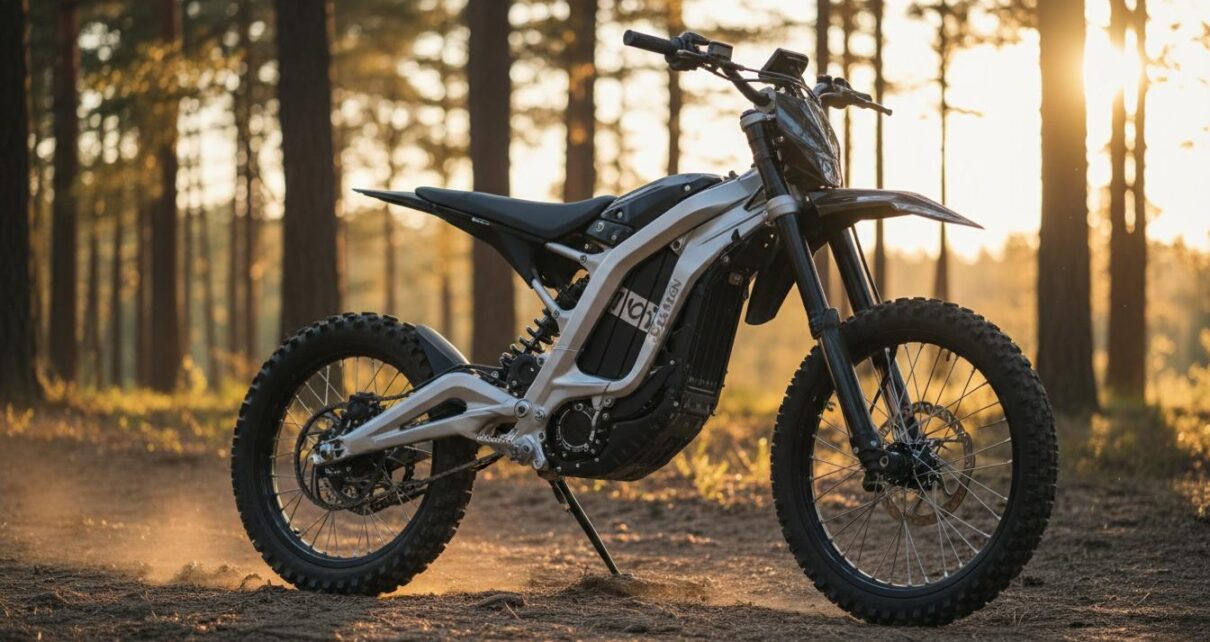
Quiet, quick and easy to live with—surron electric dirt bikes have become a familiar sight on Kiwi trails and driveways. If you’re curious about how they work, which model suits New Zealand conditions, and what’s legal on our roads, this guide breaks it down in plain English. You’ll learn what a surron is, how the tech fits together, where these bikes shine, what to watch for, and how to pick the right one for your riding.
What is
Surron (often written Sur-Ron) is a brand of lightweight electric off-road and enduro-style motorcycles. They blend mountain bike agility with motorcycle parts, then add a strong electric motor and a removable lithium battery. The result is a nimble, torquey machine that’s simple to maintain and a blast on tight Kiwi tracks.
In New Zealand, most surron models are sold for off-road use. Some regions overseas offer road-legal versions, but local registration depends on compliance with Waka Kotahi (NZTA) standards. That’s why you’ll hear riders ask not just “Which surron?” but also “Can I register it here?”
How it works
Under the plastics, every surron follows the same core idea: a compact electric powertrain controlled by smart electronics, wrapped in a tough, lightweight chassis.
- Battery: A high-voltage lithium-ion pack sits low and central for balance. It’s removable, so you can charge on or off the bike. An internal Battery Management System (BMS) watches cell health, temperature and charging.
- Motor and controller: A brushless electric motor delivers instant torque. A controller meters power smoothly, adjusts riding modes and provides regenerative braking when you roll off the throttle or brake.
- Drivetrain: Most models use a primary belt reduction and a secondary chain to the rear wheel. That setup keeps weight down and maintenance simple.
- Chassis and suspension: A robust frame, long-travel suspension and hydraulic disc brakes handle roots, ruts and hard stops. Wheels and tyres vary by model to suit trail or enduro use.
- Charging: Plug the supplied charger into a standard NZ 230V outlet. Charging time depends on battery size and charger output. You don’t need special home wiring for the factory charger.
- Electronics: Ride modes, throttle response and regen settings tailor the feel. Bigger models may add traction aids and more advanced dashboards.
Types / examples
Surron Light Bee
The Light Bee is the gateway surron: very light, playful and easy to throw around. It suits tight singletrack, backyard sessions and technical climbs. Many Kiwis use it for off-road fun, skills building and farm tracks. A road-legal Light Bee variant exists in some markets; availability and registration in NZ vary by certification.
Surron Ultra Bee
The Ultra Bee steps up in size and punch. It’s aimed at enduro-style riding where you want more stability, longer legs and stronger brakes. Think open forestry roads, linking trails and mixed terrain. It still feels compact but handles bigger hits with more composure.
Surron Storm Bee
The Storm Bee is the full-size option. It targets riders who want a true enduro/motocross feel with serious power and suspension. It can tackle rough tracks and sustained climbs better, but it’s also heavier. In some countries it’s sold with on-road equipment; in NZ, road use depends on compliance at entry and successful registration.
Related alternatives
Riders sometimes cross-shop surron with similar electric dirt bikes from other brands. That can help benchmark features, dealer support and parts availability in New Zealand.
| Model | Size class | Riding style | Licence (NZ, if road-legal) | Road-legal status in NZ | Best for |
|---|---|---|---|---|---|
| Surron Light Bee | Lightweight | Playful trail, technical climbs | Class 6 (motorcycle) if registered | Mostly off-road; road use only if certified | New riders, tight singletrack |
| Surron Ultra Bee | Mid-size | Enduro, mixed terrain | Class 6 (motorcycle) if registered | Varies; check compliance before purchase | Intermediate riders, longer loops |
| Surron Storm Bee | Full-size | Hard enduro, MX-style pace | Class 6 (motorcycle) if registered | Possible only with correct certification | Experienced riders, rough tracks |
Pros and cons
Pros
- Instant torque: Strong drive from standstill makes climbs and obstacles easier.
- Low running costs: Electricity is cheap per kilometre, and there’s no petrol, oil or filters.
- Low maintenance: Fewer moving parts. Focus on chain, tyres, bearings and brakes.
- Removable battery: Swap packs or charge indoors—handy in apartments and sheds.
- Quiet: Friendlier around neighbours and stock, and less tiring on long sessions.
- Manageable size: Lighter than most petrol bikes, which builds confidence.
Cons
- Range at speed: Fast open-road or wide-open throttle off-road drains the battery quickly.
- Road-legal hurdles: Many surron models are sold off-road only in NZ; registration is not guaranteed.
- Battery cost: Extra or replacement packs aren’t cheap.
- Access rules still apply: Electric is quiet, but it’s still a motor vehicle—no riding on walking/MTB tracks.
- Weather and water: Electronics are sealed, but deep water crossings are risky.
- Security: Light and desirable—use solid locks and alarms.
How to use or choose
Step-by-step: from first look to first ride (NZ)
- Decide your primary use: private property play, trail riding, or commuting. That choice drives model and legal needs.
- Check NZ law: In New Zealand, a moped is limited to 50 km/h and 2 kW (electric). Most surron models exceed that, so they are not mopeds. Without the right certification, they are off-road only.
- Shortlist models: Light Bee for agility, Ultra Bee for enduro balance, Storm Bee for full-size performance.
- Talk to a local dealer: Ask specifically about Waka Kotahi/NZTA compliance, entry certification, and whether a given unit can be registered.
- Test ride: Focus on ergonomics, throttle feel, suspension support and brake power on the terrain you’ll ride most.
- Plan charging: Confirm charge time, charger type, and where you’ll store and charge the battery safely.
- Sort gear and security: Helmet, gloves, boots and body armour; good lock and a secure anchor point at home.
- Prepare maintenance: Chain lube, tyre pressures, brake checks, firmware updates if supported.
Legal basics for New Zealand riders
- Off-road: You can ride a surron on private land with permission. Respect noise and stock, close gates, and follow local rules.
- Public roads: You must be on a registered, compliant motorcycle (and have the right licence) to ride on public roads, beaches that count as roads, or road reserves.
- Cycle paths and footpaths: Not allowed. E-bikes under NZ’s power-assist rules are different; most surron models exceed those limits.
- Licensing: If a surron is registered for road use, you need a Class 6 motorcycle licence. Mopeds can be ridden on a car licence, but most surron models do not qualify as mopeds in NZ.
- Compliance: Road-legal variants must meet lighting, braking and other standards. Ask the dealer for written confirmation of compliance and registration history in NZ.
- WoF and rego: A road-legal motorcycle needs current registration (which includes ACC levy) and a Warrant of Fitness as applicable.
Maintenance made simple
- After muddy rides: Rinse gently, avoid direct pressure on bearings and connectors, dry, then lube the chain.
- Before each ride: Check tyre pressures, brake lever feel, chain slack and axle nuts.
- Battery care: Store cool and dry, avoid full discharge, and don’t leave at 100% for long periods if you won’t ride.
- Periodic: Inspect brake pads and rotors, wheel bearings, spoke tension, and linkage bolts. Update firmware if your model supports it.
FAQ
Are surron bikes road legal in New Zealand?
Most surron models sold here are off-road only. Some units can be registered if they meet compliance standards and pass entry certification. Ask for proof before you buy if road use matters to you.
Do I need a motorcycle licence to ride a surron on the road?
Yes, if it’s registered as a motorcycle you need a Class 6 licence. Surron bikes usually exceed NZ moped limits, so a car licence is not enough.
Can I ride a surron on cycleways or footpaths?
No. They’re motor vehicles, not power-assisted bicycles under NZ rules.
How far can a surron go on one charge?
It depends on terrain, rider weight, tyre choice and how hard you push. Expect much shorter range at sustained high speeds than on slow technical trails. Many riders plan for one to a few hours per charge.
How long does charging take?
With the supplied charger and a standard NZ outlet, charging typically takes a few hours. Bigger batteries take longer. Faster chargers may be available for some models.
What’s the difference between the Light Bee, Ultra Bee and Storm Bee?
Light Bee = very light and playful. Ultra Bee = mid-size with more stability and power. Storm Bee = full-size enduro/mx machine. Pick based on terrain, speed and rider size.
Are surron bikes waterproof?
They’re built for wet conditions, but deep water crossings can cause damage. Avoid submerging the motor, controller or battery. Dry the bike after wet rides.
How much maintenance does a surron need?
Less than a petrol bike. Keep the chain clean and lubed, check tyres and brakes, and look after the battery. No oil changes, air filters or spark plugs.
Can I use a surron for commuting?
Only if it’s a road-legal, registered unit. Check your route, range requirements and charging options. Fit road-focused tyres and mirrors if you commute regularly.
Where can I ride legally off-road?
Private property with permission, commercial off-road parks, and areas designated for motorbikes. Department of Conservation walking and MTB tracks are off-limits to motor vehicles. Always check local bylaws.
Is insurance available in NZ?
Yes, but policies vary. Many insurers will cover registered motorcycles; off-road cover is more specialised. At a minimum, consider third-party property insurance.
What about parts and support?
Check that your dealer stocks wear items (brake pads, chains, sprockets, tyres) and can order batteries, controllers and plastics. Confirm warranty terms in writing.
Final tips for Kiwi riders
- Be honest about your terrain. Tight bush tracks favour a Light Bee; faster forest loops reward an Ultra Bee; big hills and rough lines suit a Storm Bee.
- If road use is essential, start the conversation with compliance and registration—not with specs.
- Budget for a second battery if you want back-to-back sessions without waiting on charging.
- Carry basic tools, a pump and a link for your chain. Electric or not, trails can bite.
- Ride respectfully. Quiet bikes help, but access depends on how we all behave.
A surron can be the simplest way to get more seat time without the faff of petrol maintenance. Choose the right model for New Zealand conditions, confirm the legal bits early, and you’ll have a capable, grin-inducing machine that’s easy to live with all year round.