
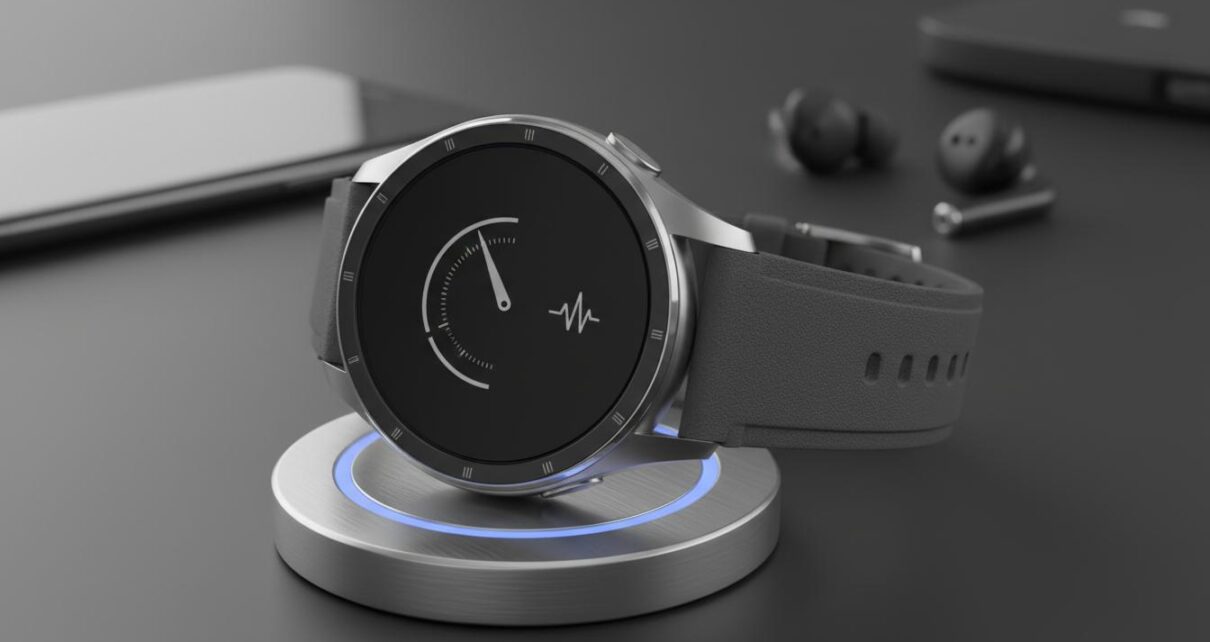
If you’re weighing up a samsung watch in New Zealand, this guide cuts straight to what matters. You’ll learn what a Galaxy Watch actually does, how it works behind the scenes, which model suits your life here (from office and gym to tramping tracks and surf), the real pros and cons, and the steps to set it up right the first time.
What is
A samsung watch is a Wear OS smartwatch from Samsung’s Galaxy Watch line that pairs with your Android phone to deliver health tracking, notifications, payments, GPS, and apps on your wrist.
At its core, a Galaxy Watch is a compact, water-resistant computer. It reads your movement and heart signals, mirrors key phone functions, and runs apps like Strava, Google Maps, Spotify, and Samsung Health. Recent models include Galaxy Watch Ultra, Galaxy Watch7, and Galaxy Watch FE, all officially sold in New Zealand.
How it works
Sensors and health
- Optical heart rate (PPG) for heart rate, stress estimates, and sleep stages.
- SpO2 for blood oxygen during sleep and workouts.
- Accelerometer, gyroscope, barometer, and compass for steps, elevation, and route data.
- Skin temperature sensor for insights like cycle tracking and sleep trends.
- BIA (bioelectrical impedance analysis) on most models for body composition estimates.
- ECG and blood pressure in supported regions via Samsung Health Monitor; availability can vary by country, phone model, and regulatory approvals. In NZ, check Samsung’s local support page to confirm.
Connectivity and battery
- Bluetooth and Wi‑Fi for everyday pairing and syncing.
- Optional LTE (eSIM) on selected models for calls, messages, and data without your phone. Carrier support in NZ differs by provider—confirm plan options with Spark, One NZ, or 2degrees.
- On-watch GPS for accurate routes; recent models add dual-frequency GPS for better lock in tricky conditions.
- Battery life typically runs 1.5–3 days depending on size, model, LTE use, and tracking. Power-saving modes stretch this further.
Software and apps
- Runs Wear OS with Samsung’s One UI Watch. You get Google Play apps plus Samsung Health, Wallet, and SmartThings.
- Notifications, quick replies, and calls from your wrist (with mic and speaker on most models).
- Music control and offline playlists via Spotify, YouTube Music, and others—handy for the gym or a coastal run.
- Samsung Wallet (formerly Samsung Pay) for NFC tap-to-pay where supported by your bank or card issuer in New Zealand.
Privacy and data
- Health data is stored on-device and in Samsung Health if you enable cloud backup or syncing.
- You can export or delete data anytime from Samsung Health settings.
- Some clinical-style features (ECG, blood pressure) require specific Samsung phones and regional app availability.
Types / examples
Here’s a quick look at the current Galaxy Watch family commonly available in New Zealand. Exact features vary by configuration, but this captures the essence.
| Model | Sizes | Build & durability | Battery (typical) | GPS | Notable health features | Best for |
|---|---|---|---|---|---|---|
| Galaxy Watch Ultra | ~47 mm | Titanium case, 10 ATM, MIL‑STD rugged, sapphire crystal | 2–3+ days for mixed use | Dual-frequency GPS (L1+L5) | Advanced training metrics, temperature, SpO2, ECG/BP where available | Outdoor, multisport, durability, longer battery |
| Galaxy Watch7 | 40 mm / 44 mm | Aluminium, 5 ATM + IP68, durable glass/sapphire | ~1.5–2.5 days | High-accuracy GPS | Body composition (BIA), temperature, SpO2, ECG/BP where available | Everyday fitness, commuting, streamlined design |
| Galaxy Watch FE | 40 mm | Aluminium, 5 ATM + IP68 | ~1–2 days | Built-in GPS | Core fitness and sleep tracking | Value buyers, first smartwatch |
Older but still good
Galaxy Watch6 and Watch6 Classic remain excellent if you find a sharp deal in NZ. You still get bright AMOLED screens, strong fitness features, and Wear OS apps. Just check battery health and software support windows if you buy refurbished.
Pros and cons
Pros
- Bright, tough AMOLED displays that stay readable in midday sun.
- Deep fitness and sleep tracking through Samsung Health, with reliable basics and useful insights.
- Wear OS apps: Google Maps turn-by-turn, Strava, Spotify, and more.
- Tap-to-pay with Samsung Wallet where your bank supports it in NZ.
- Strong integration with Samsung phones: faster pairing, extra features, and seamless backups.
- Safety features like fall detection and SOS.
- Standard 20 mm bands on most models, so strap choices are huge.
Cons
- Battery life is shorter than a basic fitness band or e‑ink sports watch.
- Works with Android only (no iPhone support for recent Galaxy Watches).
- Some health features depend on region and a compatible Samsung phone.
- LTE eSIM support and plans vary across NZ carriers—verify before you buy.
- Plenty of settings can be overwhelming on day one.
How to use or choose
How to choose the right samsung watch in NZ
- Wrist size and comfort: If your wrist is small, start with 40 mm. Larger wrists usually prefer 44–47 mm.
- Battery needs: For multi-day trips, the Ultra’s bigger cell and rugged build help. For daily office–gym cycles, Watch7 is balanced. FE suits light users.
- Sport profile: Runners and cyclists benefit from dual-frequency GPS and advanced training metrics. Casual gym-goers can save money with FE or Watch7.
- Connectivity: Choose LTE only if you truly want phone-free calls or streaming. Otherwise, Bluetooth saves money and battery.
- Durability: Saltwater swims, mountain weather, and hard knocks favour the Ultra or models with sapphire glass.
- Compatibility: You need an Android phone (Android 10+). Features like ECG/BP typically work best with Samsung phones.
- After-sales: Buying from authorised NZ retailers helps with Consumer Guarantees Act rights, repairs, and returns.
Step-by-step: first-time setup
- Charge the watch to at least 50% using the supplied USB‑C charging puck.
- On your Android phone, install Galaxy Wearable and Samsung Health from Google Play.
- Open Galaxy Wearable, select your model, and follow pairing prompts over Bluetooth.
- Sign in to your Samsung account to enable backups, Wallet, and Galaxy Store.
- Update firmware when prompted for the latest features and bug fixes.
- In Samsung Health, set up your profile (age, weight, goals). Enable data permissions.
- Add your essential tiles: workouts, heart rate, weather, calendar, and Wallet.
- If available in NZ for your model, install Samsung Health Monitor for ECG/BP and complete the initial setup and calibration steps as instructed.
- Customise a watch face with complications you’ll use daily: battery, steps, next event, or sunrise/sunset.
- Test notifications and quick replies, and fine-tune which apps are allowed to buzz your wrist.
Essential settings to tweak
- Raise to wake sensitivity so the screen comes on naturally when you lift your arm.
- Always On Display off for longer battery, on for glanceability.
- Workout auto-detect for walks and runs if you forget to start tracking.
- Offline music playlists (Spotify or YouTube Music) for phone-free sessions.
- Safety: set up SOS contacts and fall detection.
- Samsung Wallet: add a supported NZ bank card if available; set a secure PIN.
NZ-specific tips for everyday use
- Tramping and trail runs: download offline maps or routes with Komoot or GPX-supporting apps; dual-frequency GPS (where available) improves accuracy in bush and valleys.
- Coast and surf: rinse the watch in fresh water after salt exposure; dry before charging.
- Cycling commutes: use Google Maps turn-by-turn on the wrist to keep your phone zipped away.
- Tap-to-pay: Samsung Wallet works where your bank supports it—test at your local supermarket before relying on it.
- Weather: add a MetService-enabled complication or tile for quick rain radar checks.
Care and maintenance
- Rinse after sea swims and sweat-heavy workouts; clean the optical sensor for accurate readings.
- Avoid charging immediately after water exposure; ensure the watch and puck are dry.
- Keep software up to date for battery and GPS improvements.
- Replace bands seasonally if you train often; 20 mm quick-release straps are easy to swap.
FAQ
Does a samsung watch work with iPhone?
Recent Galaxy Watch models (from Watch4 onward) are designed for Android and don’t support pairing with iPhone. You’ll need an Android 10+ phone, and a Samsung phone unlocks certain health features.
Which NZ carriers support LTE on a Galaxy Watch?
Support and plan names change. Before buying an LTE model, ask Spark, One NZ, and 2degrees about eSIM for wearables and number sharing. If they don’t support your model, get the Bluetooth version instead.
Can I pay with my watch in New Zealand?
Yes, where Samsung Wallet (Samsung Pay) is supported by your bank or card issuer. Add your card in the Wallet app on the phone, set a watch PIN, and tap at contactless terminals. If your bank isn’t supported, you can still use the watch for everything else.
How accurate are the health metrics?
Heart rate and GPS are strong for daily fitness and casual training. Body composition is an estimate, best used for trends. ECG and blood pressure, where available, follow specific setup steps and aren’t a substitute for professional diagnosis.
What battery life should I expect?
Most users see 1.5–2.5 days on Watch7, a bit less on smaller FE, and 2–3+ days on Ultra. LTE, always-on display, and continuous GPS shorten runtime; power-saving modes and larger cases extend it.
Is it okay to swim or surf with a samsung watch?
Yes within its rating: many models are 5 ATM (suitable for pool and shallow water), while the Ultra is rated to 10 ATM and adds extra ruggedness. Always rinse off salt and avoid charging while wet.
Can it track tramping without my phone?
Yes. Start a hike workout with GPS and the watch records route, distance, pace, and elevation. Some apps let you import GPX routes and view basic navigation prompts on the wrist.
How long will my watch receive software updates?
Samsung provides multiple years of security patches and platform updates, with timelines varying by model. Check the specific policy for your watch on Samsung New Zealand’s support pages.
Do I need a samsung watch if I already have a fitness band?
If you want on-wrist maps, calls, tap-to-pay, music, and deeper app support, a Galaxy Watch is a meaningful upgrade. If you only track steps and sleep, a basic band may remain the simpler choice.
Bottom line
A samsung watch is a capable companion for New Zealand life—office, gym, beach, and back-country. Pick a model that matches your wrist, battery needs, and sport profile; confirm NZ bank and carrier support if you want Wallet or LTE; and spend ten minutes on setup to dial in the right tiles, safety features, and notifications. Do that, and your watch will pull its weight every day.